Sri Lanka’s Second Child Rights Council Gives Children a Voice in Shaping Change
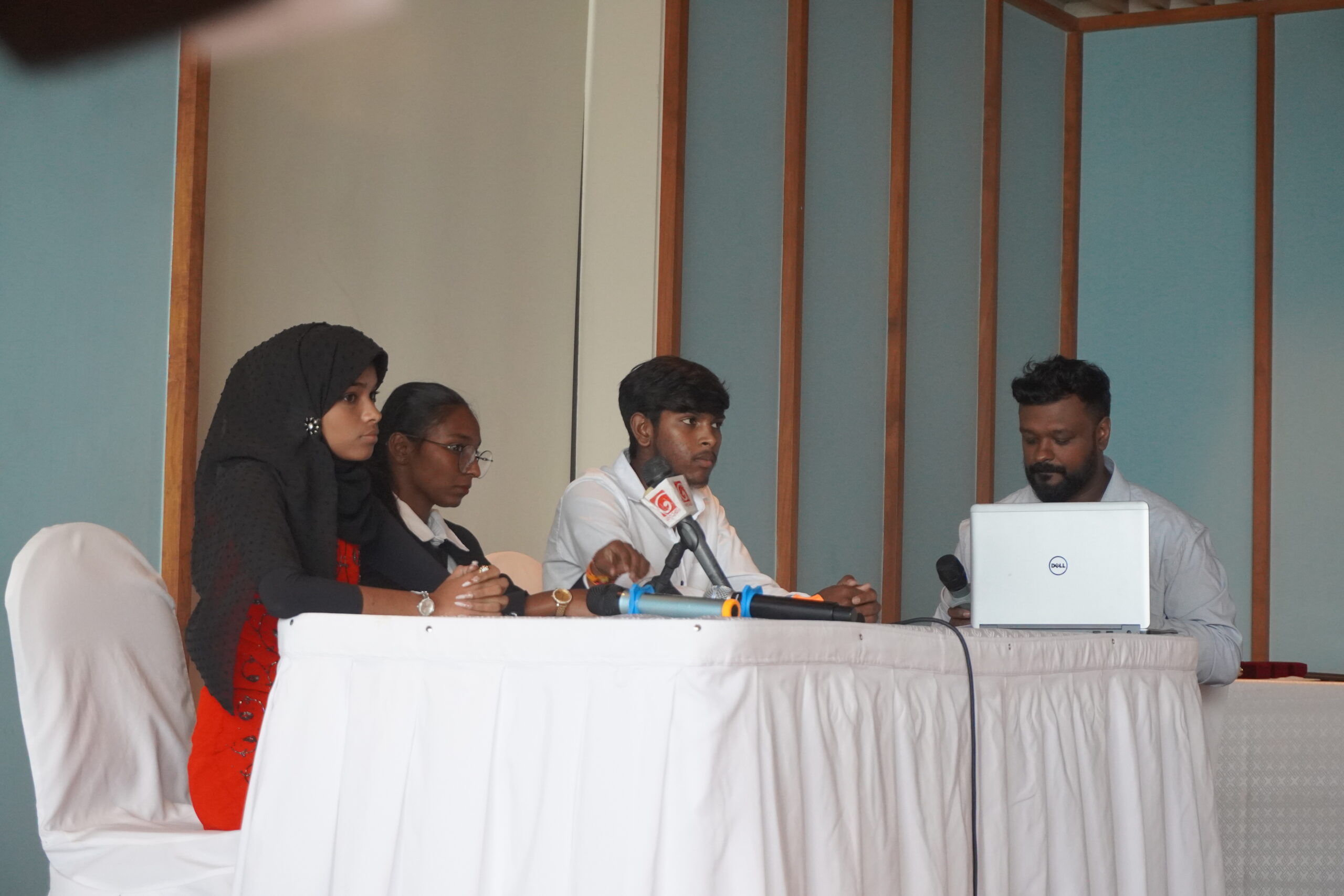
Children from across the country will develop child-led recommendations to help shape future conversations on child rights and participation.
On 22 August 2026, Child Action Lanka (CAL) will convene more than 60 children from underserved communities for the Second Child Rights Council, a national platform where young delegates develop recommendations on the issues affecting their lives and present them directly to government, civil society and child protection stakeholders.
Building on the success of the inaugural Council in 2025, this year’s programme moves beyond child rights awareness by equipping children to advocate for meaningful solutions based on their own lived experiences. Over two days, delegates from Batticaloa, Mullaitivu, Kilinochchi, Nuwara Eliya, Bogawantalawa, Kandy, Talpe, Colombo and other communities will work together to identify the challenges they face, debate possible solutions.
Commenting on this year’s Council, Project the CRC Event Chairperson Jeremy De Zilwa said: “Children need opportunities to speak for themselves about the real societal and systemic issues that they face; they don’t need adults to do it for them,” he said. “This opportunity is made possible by the Child Rights Council, which brings together children from a wide range of circumstances and provides them with a structured platform to discuss their experiences, pose questions, and come up with solutions. The outcomes are always better when those who are most impacted by a problem participate in the discussion. We hope this Council’s impact will continue long after the event, encouraging more organisations to recognise children as active participants in the decisions that affect their lives, and to open up conversations with schools, policymakers and other key stakeholders.”
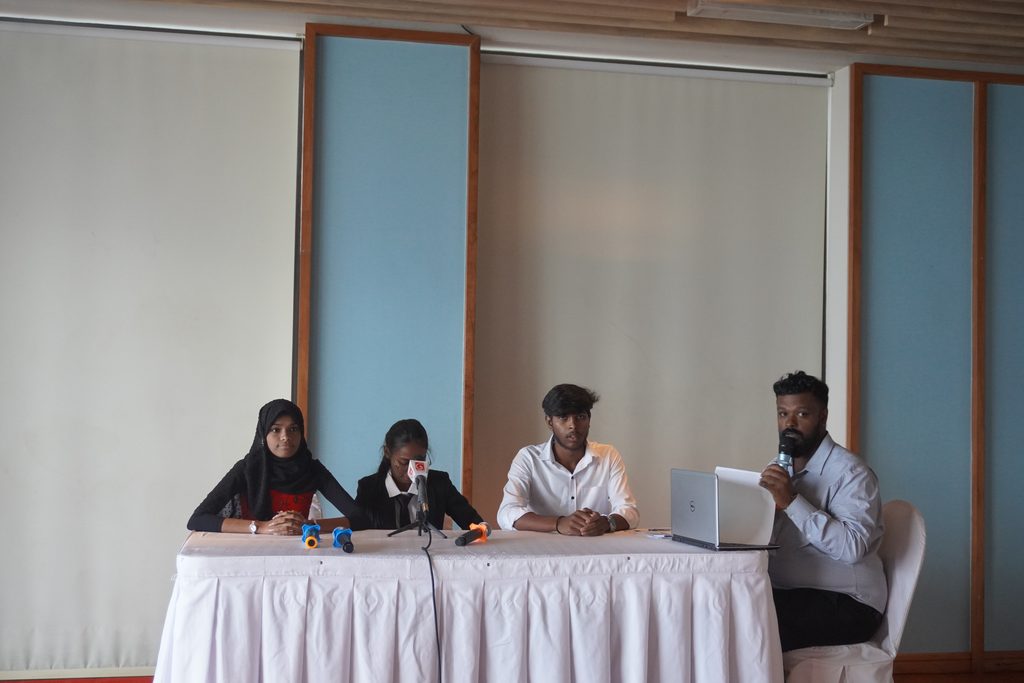
This year the council will yet again be hosted at Gateway College in Colombo in partnership with Sri Lanka Model United Nations (SLMUN). While exercising their right to participate, Sinhala and Tamil delegates, including children from communities that were previously touched by conflict, will work alongside experienced student mentors to develop leadership, mutual understanding, and confidence. In doing so, it builds leadership, mutual understanding and confidence across young people from social classes that don’t always get the chance to rub shoulders.
Underpinning all of this is a simple premise: children are experts in their own lives, not passive recipients of adult decision-making. Giving them a structured space to share experiences, debate solutions and shape practical recommendations strengthens not just their advocacy skills, but their confidence and critical thinking more broadly.
That premise has driven Child Action Lanka’s work since its founding in 2006. The organisation runs nine child development centres across seven districts, supporting vulnerable children through education, health, nutrition and child protection programmes and has long seen how building children’s agency changes the course of their own lives. This year, Belluna Lanka and UEFA have partnered with Child Action Lanka with this cause and to help enrich the delegates’ experience and make the Council a memorable one.
Because lasting change begins by listening to the children living it.
Image Caption – Young delegates from across Sri Lanka take the stage at the Child Rights Council, sharing their experiences and presenting child-led recommendations on issues affecting their communities.
END
About Child Action Lanka
Founded in 2006, Child Action Lanka (CAL) is a Sri Lankan child development organisation dedicated to improving the lives of vulnerable children through education, nutrition, healthcare, protection and community development programmes. Operating nine child development centres across seven districts, CAL works with children, families and communities to create sustainable pathways towards safer, healthier and more empowered futures.




Post Comment